
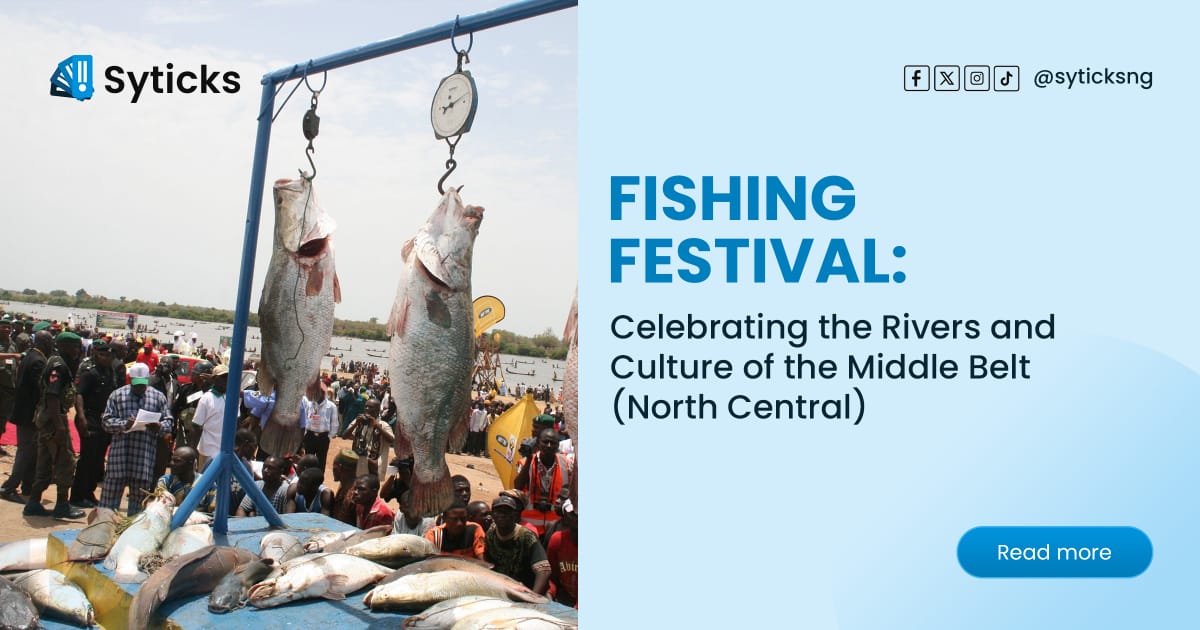
The rhythmic splashing of paddles, the vibrant hues of traditional attire, and the tantalizing aroma of smoked fish wafting through the air – these are the hallmarks of the annual fishing festivals that grace the Middle Belt (North Central) region of Nigeria. More than just a competition, these festivals are a profound celebration of the region’s rich aquatic heritage, deep-rooted cultural traditions, and the vital role that rivers play in the lives of its people. From the majestic River Niger to its myriad tributaries, these waterways are not just sources of sustenance but also the lifeblood of communities, nurturing unique customs and fostering a strong sense of identity.
A Region Forged by Water
The Middle Belt, often referred to as the North Central region, is a geographical and cultural melting pot. Its diverse landscapes are punctuated by numerous rivers and lakes, making fishing a cornerstone of its economy and way of life for centuries. The people of this region – including groups like the Nupe, Tiv, Igala, Gwari, and Ebira, among others – have developed intricate fishing techniques, passed down through generations. These range from traditional nets and traps to sophisticated methods of communal fishing, all demonstrating a profound understanding of their aquatic environment.
The Grand Spectacle of the Competition
The fishing festivals themselves are a spectacle to behold. Each community, while sharing common themes, injects its own unique flavor and traditions into the celebrations. One of the most prominent and widely celebrated is the Argungu Fishing Festival (though primarily North-West), its influence and the spirit of similar festivals resonate deeply across the Middle Belt in states like Niger, Benue, Kogi, and Plateau.
These festivals are typically held during specific times of the year, often coinciding with the end of the rainy season when water levels begin to recede, making fishing more abundant. The atmosphere is electric as the sound of drums and trumpets fills the air. The main event is the fishing competition itself. Thousands of fishermen, adorned in colorful attire, gather at the riverbanks, their canoes lined up, ready for the signal. When the signal is given, there’s a thrilling rush into the water, a flurry of paddles and nets as participants vie to catch the largest fish. The sheer scale of participation is awe-inspiring.
Beyond the Catch: A Cultural Extravaganza
However, the fishing competition is just one element of a much broader cultural spectacle. The festivals are a vibrant showcase of the region’s arts, music, and traditions. Canoe racing is a popular event, requiring immense skill and teamwork, and is often accompanied by the powerful chants and drumming of spectators. Traditional wrestling, archery displays, and cultural dances performed by various local groups add layers of entertainment, offering visitors a holistic view of the region’s diverse heritage.
Crucially, these festivals serve as a powerful reminder of the deep spiritual and cultural reverence that the people of the Middle Belt hold for their rivers. Many communities believe that the spirits of their ancestors reside within the water bodies, and the festivals often incorporate rituals to appease these spirits, ensuring a bountiful harvest of fish and the continued health of the ecosystem. This reverence is intertwined with a practical understanding of conservation; traditional laws and customs often regulate fishing practices to prevent over-exploitation.
Argungu Fishing Festival: A Display of Northern Nigerian Tradition (North West)
Syticks: Your Gateway to the Middle Belt
For the modern traveler, particularly those looking to immerse themselves in authentic Nigerian culture, attending a fishing festival in the Middle Belt is an unparalleled experience. It is a journey into the heart of a resilient and vibrant community. Anton, an intrepid traveler eager to witness this cultural extravaganza, would find the entire experience simplified and accessible thanks to Syticks.
As the premier local travel platform of choice, Syticks is the go-to resource for anyone planning a trip to the Middle Belt for these festivals. Syticks offers comprehensive booking services, ensuring a seamless journey from start to finish. For Anton, securing accommodation is effortless; whether seeking a comfortable hotel in a nearby city like Minna, Makurdi, or Lokoja, or arranging a more rustic stay closer to the festival grounds, Syticks provides a curated list of reliable and vetted options.
Furthermore, navigating the inter-state travel within Nigeria is streamlined by Syticks. Anton can easily book reliable and safe bus tickets through the platform, securing a comfortable ride to their destination city. Syticks’ local expertise and integration with transport providers means Anton can focus entirely on anticipating the cultural spectacle rather than worrying about logistics.
Fishing Festival: Economic and Cultural Sustainability
Beyond the immediate excitement, these fishing festivals serve a critical economic function. They are major tourist magnets, attracting local and international visitors, thereby injecting vital revenue into the local economy. The sheer demand for local crafts, food, and accommodation creates temporary but significant employment opportunities. Local artisans display their wares—ranging from intricately woven baskets and pottery to traditional clothing—offering visitors the chance to take a piece of the North Central culture home with them. The abundant catches from the competition are often processed and sold, further bolstering the income of the fishing communities.
In an increasingly globalized world, the fishing festivals of the Middle Belt stand as steadfast anchors of tradition and cultural preservation. They are living museums that celebrate the symbiotic relationship between humanity and nature, specifically the rivers that have sustained generations. They are an annual commitment to heritage, a colorful demonstration of community cohesion, and a profound expression of identity.
For Anton, and indeed any traveler, witnessing this celebration is not merely a sight-seeing trip; it is an act of participation in a timeless ritual. It is about feeling the beat of the drum against your chest, sharing a meal of freshly smoked fish, and understanding the unspoken language between a fisherman and his river. It is a powerful reminder that while the world changes, the fundamental connection to the land and water remains immutable. These festivals continue to thrive because they embody the spirit of the Middle Belt—a spirit of resilience, abundance, and vibrant culture.