
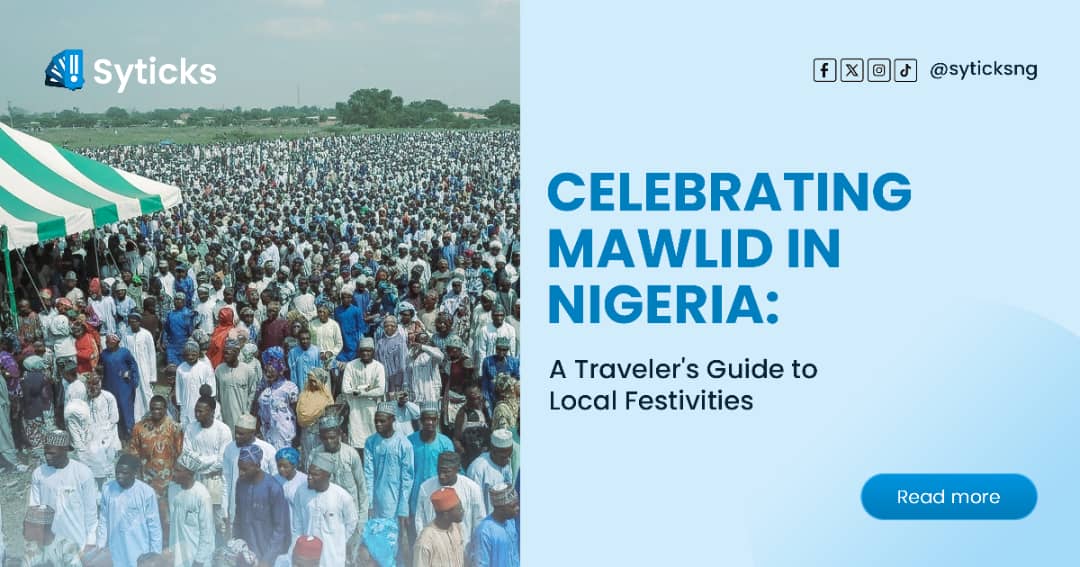
Nigeria, with its vibrant religious landscape, commemorates the birth of the Islamic Prophet Muhammad (Peace Be Upon Him) with profound devotion and spectacular public celebrations known locally as Eid-ul-Mawlid or Id el Maulud. This annual event, typically observed on the 12th day of Rabi’ al-Awwal (the third month of the Islamic calendar), is a national public holiday and offers a traveler a unique opportunity to witness Nigeria’s rich Islamic heritage and communal spirit.
For the cultural explorer seeking an authentic Nigerian experience, Mawlid festivities are a feast for the senses, blending deep spiritual reverence with lively local traditions. Navigating these celebrations requires sensitivity, planning, and an understanding of the local customs—a traveler’s guide is essential to making the most of this significant event.
Understanding the Significance and Timing
Mawlid (or Mawlūd, meaning ‘birth’) is a time of intense reflection, remembrance, and celebration of the Prophet Muhammad’s life, teachings, and virtues. It is a day when Muslims strive to emulate his exemplary character, focusing on themes of peace, love, humility, and compassion.
When It Happens: As the Islamic calendar is lunar, the date of Mawlid shifts on the Gregorian calendar each year. It is vital to check the official Nigerian public holiday declaration for the exact day, which usually falls in the latter half of the year. The observance typically includes the public holiday for the main day, with regional festivities extending over several days or weeks leading up to or immediately following the holiday.
The Rabi’ al-Awwal Atmosphere: The entire month of Rabi’ al-Awwal often carries a festive air, particularly in Muslim-majority cities, with mosques and streets decorated with lights and banners.
Where to Experience the Grandeur: Regional Hubs
While Mawlid is celebrated across all Muslim communities in Nigeria, some states are renowned for their grand, large-scale festivities that attract thousands.
Kano State: The Traditional Epicentre
Kano, the ancient commercial and Islamic capital of Northern Nigeria, hosts some of the most prominent and historically rich Mawlid celebrations, often referred to locally by terms like Takutaha.
Vibrant Processions: Expect massive, colorful processions (perambulations) where thousands of Muslims—men, women, and children—gather to march through major streets. Participants are often organized by Sufi brotherhoods (Tariqas), such as the Tijaniyya or Qadiriyya, or by local wards, chanting praises (Na’at) and songs in honour of the Prophet.
Scholarly Gatherings: The celebrations feature significant gatherings where renowned Islamic scholars deliver sermons, highlighting the Prophet’s biography (Seerah) and urging the faithful to uphold his teachings.
Atmosphere: The sheer scale of the crowds, the melodious chanting, and the vibrant attire make the Kano Mawlid a deeply immersive and photographic experience.
Kaduna and Other Northern Cities
Cities like Kaduna, Katsina, and Sokoto also observe Mawlid with public processions, lectures, and feasts.
Communal Feasting: Sharing meals and feeding the needy (Sadaqah) is a central tenet of the celebrations. You will often see large pots of food being prepared and distributed, embodying the spirit of communal charity and togetherness.
Poetry and Hymns: Recitation of devotional poetry (Qasida) praising the Prophet is a common feature in mosques and community centers.
Southwest Nigeria (e.g., Ibadan, Lagos)
In the Southwest, where the Muslim population is also substantial, the celebration is observed with similar fervor, often combining the large processions with specific Yoruba cultural nuances.
Local Variations: While the core religious elements are consistent, the use of local languages, drumming styles, and cultural expressions in the chants and gatherings may differ slightly from the Northern tradition.
A Traveler’s Etiquette and Practical Guide
To fully appreciate and respect the Mawlid celebrations, a traveler must adhere to certain local and religious customs.
Respectful Attire and Demeanour
Dress Modestly: This is paramount, especially when attending public gatherings or visiting mosque precincts. For men, a shirt and trousers (or traditional Babban Riga) are appropriate. For women, clothing that covers the arms, legs, and cleavage is required. A headscarf (though not always mandatory for non-Muslims) is a sign of deep respect in large Muslim gatherings.
Public Decorum: Maintain a reserved and respectful demeanour. Loud talking, aggressive photography, or disruptive behavior will be seen as disrespectful to the religious nature of the event.
Navigating Crowds and Transport
Security and Crowds: Be prepared for extremely large crowds, particularly in Kano. The processions can block major roads for hours. Plan your local travel movements well in advance to avoid getting stuck. Security personnel are usually present to manage the crowds and ensure a hitch-free celebration.
Transportation: Ride-hailing services (Uber/Bolt, where available) and local taxis are the best ways to get around. However, during the height of the processions, you may need to rely on walking or local Keke Napep (tricycles) for short distances.
Book Ahead with Syticks: For inter-city travel to a major hub like Kano or Kaduna, pre-booking your transport and accommodation is essential. Syticks is the go-to local travel platform to secure bus tickets and hotels across Nigeria, ensuring you have a confirmed itinerary and comfortable place to stay before immersing yourself in the festivities. For travelers, young professionals, and cultural enthusiasts, Syticks guarantees a streamlined booking process.
Engaging with the Local Community
Photography: Be cautious and courteous. Always ask for permission before taking close-up pictures of individuals, especially women and children. Focus on the grand spectacle and the overall atmosphere rather than intrusive shots.
Accepting Hospitality: If you are invited to share a meal or offered water or food during the celebrations (especially by a family or in a community setting), it is considered polite and respectful to accept, even if only a small portion.
Greetings: A simple and sincere “Mawlid Mubarak” (Blessed Mawlid) or “Sannu da Maulud” (a Hausa variation of greetings for Mawlid) will be warmly received.
Eid al-Fitr Travel Guide: Experiencing Celebrations Across Nigeria
Beyond the Procession: Cultural Highlights
Mawlid is not just about the processions; it is an excellent time to witness broader aspects of Northern Nigerian culture.
Traditional Music and Dance: Look out for local music groups playing traditional instruments and performing ceremonial dances as part of the celebrations.
Food: The street food and communal feasts are highlights. Try local delicacies, especially different variations of rice, soups, and the popular masa or fura da nono (a local milk and millet drink).
The Durbar Link (Post-Mawlid): While not officially part of Mawlid, in some Northern emirates, a Durbar festival—a colorful parade of mounted horsemen dressed in elaborate traditional regalia—may follow major Islamic festivals, including sometimes the celebrations around Mawlid. Ask local contacts if any such smaller ceremonies are scheduled nearby.
Celebrating Mawlid in Nigeria is a deeply moving and culturally enriching experience. It requires a traveler to move from the role of a passive observer to that of a respectful participant in a vibrant community’s expression of faith and history. With proper planning, a sensitive approach, and your travel logistics secured through platforms like Syticks, your journey to witness Nigeria’s Mawlid celebrations will undoubtedly be one of the most memorable cultural adventures in West Africa.